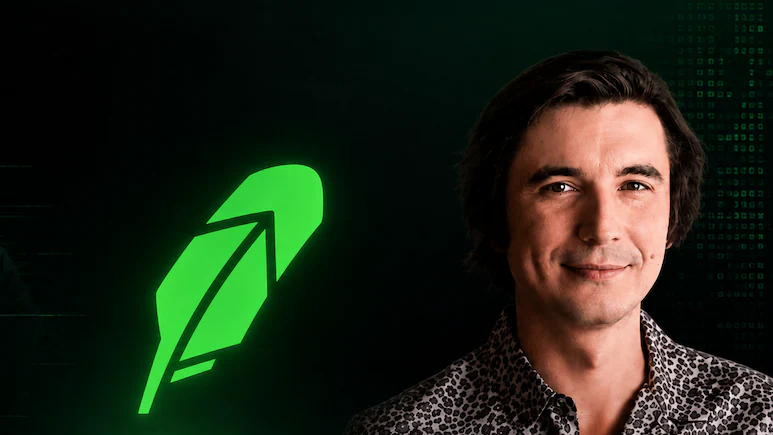
Robinhood’s communications team confirmed this week that attackers briefly seized control of CEO Vlad Tenev’s verified X account and used it to promote a fraudulent meme coin called Vladhood, ticker VLAD, in the latest scam to exploit the brokerage’s expanding crypto footprint.
What the Hackers Posted
The since-deleted post framed Vladhood as the ‘official mascot of Robinhood Chain’ and falsely claimed the token was set for a listing on the Robinhood app. The bogus listing claim was a deliberate hook designed to lend the scheme legitimacy by leveraging Tenev’s verified profile and his company’s brand recognition.
Robinhood’s official comms account posted a public alert: ‘Our CEO Vlad Tenev’s X account was compromised and posted a fake promotion for a meme coin.’ The company confirmed the post was unauthorized, that the fraudulent content had been removed, and that the account was subsequently secured. Robinhood said it was working with X to restore full access.
A Familiar Playbook
The incident follows a well-worn pattern. Throughout 2024, as meme coin trading reached a frenzy, celebrity X accounts were repeatedly hijacked to shill fake tokens. Victims included actress Sydney Sweeney, musician Doja Cat, and rapper 50 Cent, all of whom had their accounts used to promote fraudulent Solana-based meme coins before the posts were taken down.
Robinhood Chain’s Meme Coin Problem
The attack lands at an awkward moment for Robinhood’s blockchain ambitions. The company launched the public mainnet of Robinhood Chain, its Ethereum layer-2 network, on July 1, 2026, pitching it primarily as infrastructure for tokenized stocks and other real-world assets.
Early activity has told a different story. Speculative meme coins have dominated the network rather than the tokenized equities Robinhood envisioned. Alongside the meme coin surge has come a wave of scams and rug pulls. One holder of CashCat, the chain’s most prominent meme coin, reportedly lost $56,000 to a compromised smart contract. Other traders described funds disappearing the instant swaps confirmed on-chain.
Context: Tenev’s Own Words
Tenev had previously dismissed crypto assets lacking underlying utility, before later conceding that Robinhood Chain ‘works great for memes too.’ The hack of his personal account to promote a fake meme coin sharpens the irony of that admission, and highlights the difficulty of separating a platform’s serious financial infrastructure ambitions from the speculative culture meme coin trading attracts.