A political action committee tied to the cryptocurrency industry has deployed close to $1 million in advertising to shape the outcome of Michigan’s 13th Congressional District Democratic primary, scheduled for August 4.
Protect Progress PAC Backs Thanedar
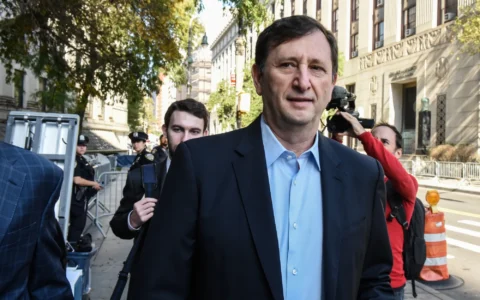
According to filings with the US Federal Election Commission (FEC) as of Tuesday, the Protect Progress PAC spent more than $986,000 on media: a portion supporting Democratic incumbent Representative Shri Thanedar, and a separate tranche opposing his challenger, Donavan McKinney. Protect Progress is an affiliate of Fairshake, one of the crypto industry’s most active political spending vehicles.
The spending mirrors a pattern from the 2024 election cycle, when Protect Progress spent roughly $1 million backing Thanedar. That year, Thanedar won his Democratic primary with 54.9% of the vote and went on to defeat Republican and other challengers in the November general election with 68.6%.
Fairshake’s $191M War Chest
Fairshake and its affiliated PACs reported having $191 million available to influence key races across the country. The network is among several crypto-aligned groups working to seat what they describe as ‘pro-crypto’ candidates in the next US Congress. Other organisations in this space include Fellowship, backed by Cantor Fitzgerald and Anchorage Digital, and the Blockchain Leadership Fund, a hybrid PAC supported by Anchorage and Chainlink Labs.
McKinney Fires Back
McKinney, who did not run against Thanedar in 2024 and has not made any significant public statements directly supporting or opposing digital assets, pushed back sharply against the PAC activity. In a Tuesday statement, McKinney said: ‘Shri has voted for every bill Donald Trump and the crypto lobby have brought to Congress.’
He went further in a campaign claim about the industry’s motives, adding: ‘The crypto lobby is paying my opponent back for helping Trump make over $1 billion since taking office.’
Thanedar has not publicly responded to McKinney’s characterisation of the PAC spending.
Thanedar, by contrast, has an extensive record of supporting crypto legislation in the House, having voted in favour of the CLARITY Act, the GENIUS Act, and the Promoting Innovation in Blockchain Development Act. He also reportedly lost more than $600,000 in the second quarter of 2026 after investing $3.7 million of campaign funds into crypto companies.
PAC Activity Extends to Arizona and Washington
Protect Progress is not limiting its spending to Michigan. The PAC spent more than $100,000 on media supporting Representative Greg Stanton’s reelection campaign in Arizona’s 4th congressional district. Stanton, like Thanedar, voted in favour of both the CLARITY and GENIUS Acts in the House. He won his primary on Tuesday with 65% of the vote.
Washington state’s August 4 primaries could also see crypto money flow in. FEC filings show that the Defend American Jobs PAC, another Fairshake affiliate, spent more than $65,000 on media to support Amanda McKinney, a Republican candidate for Washington’s 4th district who has made at least one public statement supporting crypto. The seat is open after Representative Dan Newhouse announced in 2025 that he would not seek reelection.
Pattern of Industry Influence
The Michigan race illustrates the crypto industry’s strategy of directing money toward candidates who have voted favourably on digital asset legislation, including in Democratic primaries. With Fairshake and affiliated groups holding a combined $191 million and multiple PACs active across several states simultaneously, the 2026 election cycle is shaping up as one of the most aggressive yet for crypto political spending.