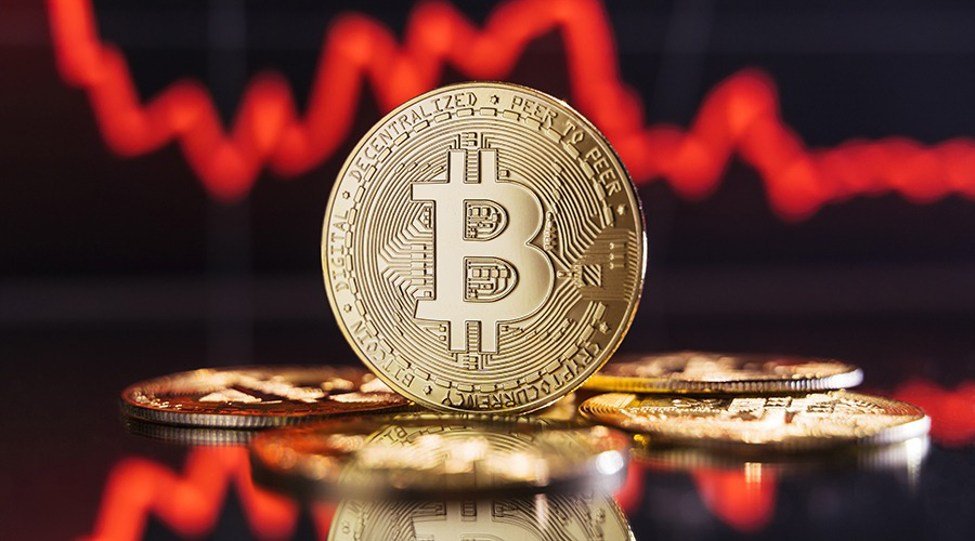
Bitcoin fell below $77,000 on Tuesday as US strikes on Iranian targets pushed crude oil above $90 a barrel, ending a week in which the asset had been widely described as holding its nerve.
It traded around $76,762 after touching an intraday low near $76,483, down from a high of roughly $79,166 earlier in the session. Ether slipped below $2,400. According to CoinGlass, about $115 million of leveraged long positions were liquidated across the crypto market within a single hour.
What Happened
US Central Command said American forces began striking Islamic Revolutionary Guard Corps targets at midday Eastern time on Tuesday, citing attempted attacks on commercial vessels in the Strait of Hormuz and on US military personnel in the region.
Iranian state media reported explosions at several locations on the southern coast, including Qeshm Island, Bandar Abbas and Chabahar. The Associated Press reported that the action ended roughly a month without direct exchanges between the two countries.
Iranian semi-official agencies Fars and Tasnim later reported that Tehran had begun launching missiles and drones in response. President Donald Trump described the operation as large and powerful and warned that any Iranian retaliation would be met with a harder response.
Reuters reported Brent crude settled 4.6% higher at $94.65 a barrel, with US West Texas Intermediate up 5.2% at $90.22. Qeshm Island and Bandar Abbas sit close to the Strait of Hormuz, through which about a fifth of the world’s oil and liquefied natural gas moved before the current conflict.
The Part Worth Noticing
Bitcoin’s reaction on Tuesday matters mainly because of how it behaved two days earlier.
When US forces struck Larak Island on Sunday in the first exchange since late July, Bitcoin barely moved. It held around $78,623, down less than a percent, while oil climbed and equities fell. That composure drew a round of commentary treating it as evidence Bitcoin was maturing into something less correlated with risk assets. It closed August up roughly 23%, against about 9% for gold.
Tuesday tested that reading and it did not hold. Faced with a larger escalation and crude above $90, Bitcoin fell through two support levels in a session and dragged leveraged positions down with it.
One session does not settle an argument that has run for a decade. But an asset frequently described as digital gold spent Tuesday trading like the Nasdaq, which was also lower, rather than like gold, which was not.
Why Oil Prices Reach Your Wallet
The chain from a strait in the Persian Gulf to a crypto portfolio is shorter than it looks.
Higher crude feeds into fuel costs, which feed into inflation data. Higher inflation makes it harder for the Federal Reserve to cut interest rates and easier to justify raising them. Higher rates make interest-bearing assets more attractive and make holding assets that produce no yield, Bitcoin among them, more expensive by comparison.
That chain is already live. Fed Chair Kevin Warsh has kept the possibility of higher rates open, and markets were pricing meaningful odds of a September increase before this week’s escalation. US Treasury yields rose on Tuesday and the S&P 500 fell to its lowest level since 4 August.
Two dates now matter more than the next headline out of Hormuz. The August jobs report lands on 4 September, and the Federal Reserve’s policy decision follows. Sustained oil above $90 would feed into the inflation readings both are judged against.
Where That Leaves the Price
Bitcoin was trading around $77,193 on Wednesday, recovering a little from Tuesday’s low but still down more than 2% over 24 hours.
The $76,500 area is the level sellers tested and did not break. Below it, the next support was the range Bitcoin built after its August rally. Above, recovering $77,000 is the first step, with the former support zone between $78,000 and $79,000 beyond that.
Iran’s response was still active late on Tuesday, and US officials said the initial strikes targeted radar and military capabilities linked to threats against shipping and personnel. For anyone holding crypto, the near-term direction depends less on the charts than on whether crude stays above $90.