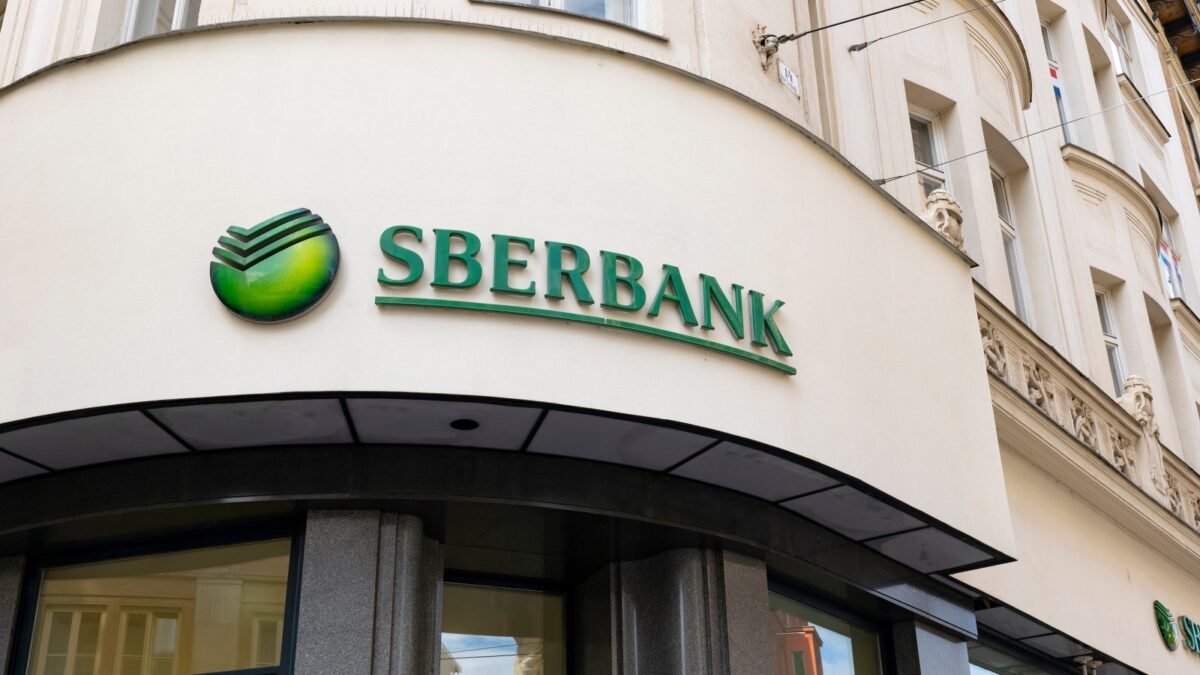
Sberbank, Russia’s largest bank, has been approved by the country’s central bank to trade cryptocurrency, opening the way for it to offer Bitcoin to its customers.
On 12 October, the Bank of Russia added Sberbank to its register of crypto exchange operators, allowing it to buy and sell crypto in its own name and with its own funds. Six days earlier, it had listed the bank as a digital depository, the role of keeping the official record of who owns which coins.
Holding both roles means Sberbank can act as the counterparty to a customer’s trade and hold that customer’s coins itself, without sending them to an outside exchange.
What customers will get
Sberbank plans to offer crypto through its SberBank Online app, SberInvestments and SberBusiness, starting with Bitcoin, Ether and Tether’s USDT. Its press service has given a launch date of 1 December, though the bank says that depends on central bank decisions and on secondary rules being finalised in time.
The bank had 110.6 million retail clients and 3.5 million corporate clients at the end of June. It also plans to accept Ether and USDT, alongside Bitcoin, as collateral for loans once the central bank allows it.
Tight limits for ordinary buyers
The rules come from a law Vladimir Putin signed in August. Ordinary, non-qualified investors can spend up to 300,000 roubles, about $3,800, a year with each provider, and must pass a mandatory knowledge test. The central bank’s draft list of tradable coins includes only Bitcoin, Ether and USDT.
Russians will be able to buy Bitcoin, but not spend it. Paying for goods with crypto remains illegal.
A sharp turn
The approval marks a reversal. In January 2022, the Bank of Russia proposed banning crypto use, mining and exchanges outright, citing risks to financial stability.
Sberbank deputy chairman Anatoly Popov has forecast that crypto trading in Russia could reach 4 trillion roubles, about $46 billion, in the regime’s first year, rising to 7.5 trillion roubles by 2029.
Sberbank remains under sanctions in the UK, the US and the EU.