The Federal Reserve raised its benchmark interest rate on Wednesday for the first time since 2023, lifting the target range by 25 basis points to 3.75% to 4.00% in a unanimous vote.
Bitcoin barely registered it. The price spiked briefly on the announcement, settled back near $75,500, and had recovered to around $76,300 later in the session, modestly higher over 24 hours.
What Warsh Said
Chair Kevin Warsh gave two sentences at the post-meeting press conference that between them explain the decision.
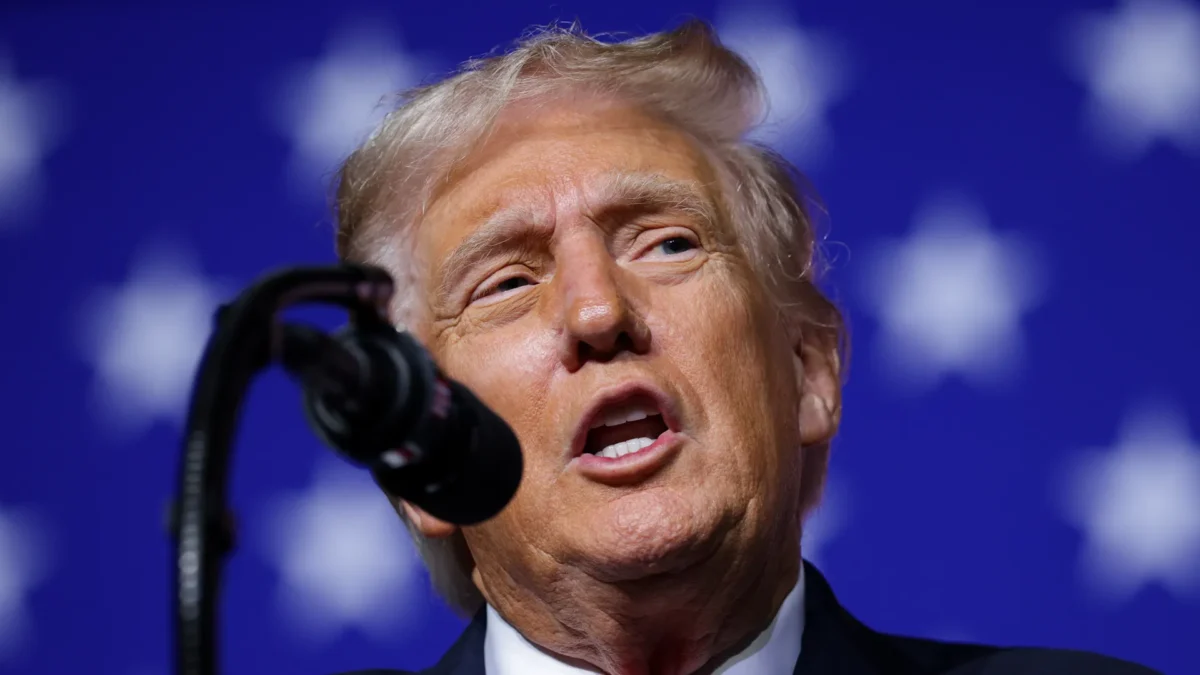
‘The economy has indeed strengthened,’ he said. ‘Inflation is the problem.’
That is a position President Donald Trump half agrees with. Trump has spent months calling for rate cuts on the strength of the economy. The Fed has now agreed about the strength and moved the other way on rates.
Asked about the president’s likely reaction, Warsh declined to comment, returning to the formulation he used at Jackson Hole in August: ‘We will deliver price stability. We’re committed to a discipline, not a decision.’
Why the Market Barely Moved
Higher rates make borrowing more expensive and make government bonds pay better, which ordinarily pulls money away from assets that depend on cheap money. Bitcoin sits squarely in that category.
None of that showed up on Wednesday, because none of it was new. Wall Street had priced a 25 basis point move for weeks. By the time Warsh spoke, the only information left in the decision was whether he would signal anything different about what comes next, and he did not.
A rate decision that surprises nobody is not a market event. It is an administrative confirmation.
Tuesday Moved Bitcoin More Than This Did
Set the two days side by side and the ranking is worth noticing.
On Tuesday the Senate failed to advance the Clarity Act, and Bitcoin fell close to 4%, sliding from around $77,200 to a session low near $75,600. On Wednesday the Federal Reserve raised interest rates for the first time in three years, and Bitcoin moved by less than one percent in either direction.
By any conventional measure the rate decision is the larger macroeconomic event. A legislative failure in one country changes no cash flows. A shift in the price of dollars changes all of them.
The difference is not importance. It is how much of each outcome the market had already accepted. The rate rise was fully priced. The Clarity Act vote was partly priced, with prediction market odds on passage in 2026 falling from around 34% to 17% on the morning of the vote itself, which left roughly a sixth of the expectation still to unwind.
What moves a price is not the size of an event. It is the distance between the event and what was already assumed.
What Comes Next
The Fed’s updated projections still point to one more increase before the end of the year.
That is the number worth carrying, because it is the part that is not yet settled. If markets price a second hike as thoroughly as they priced this one, the next decision will pass as quietly as this one did. If Warsh signals something different, or if inflation data moves between now and then, the gap between expectation and outcome opens again.
On artificial intelligence, Warsh drew a boundary around his own remit, saying the Fed would stay out of AI policymaking and focus on the effects rather than the technology. He set up five task forces earlier this year, one of which studies AI’s effect on productivity and jobs.