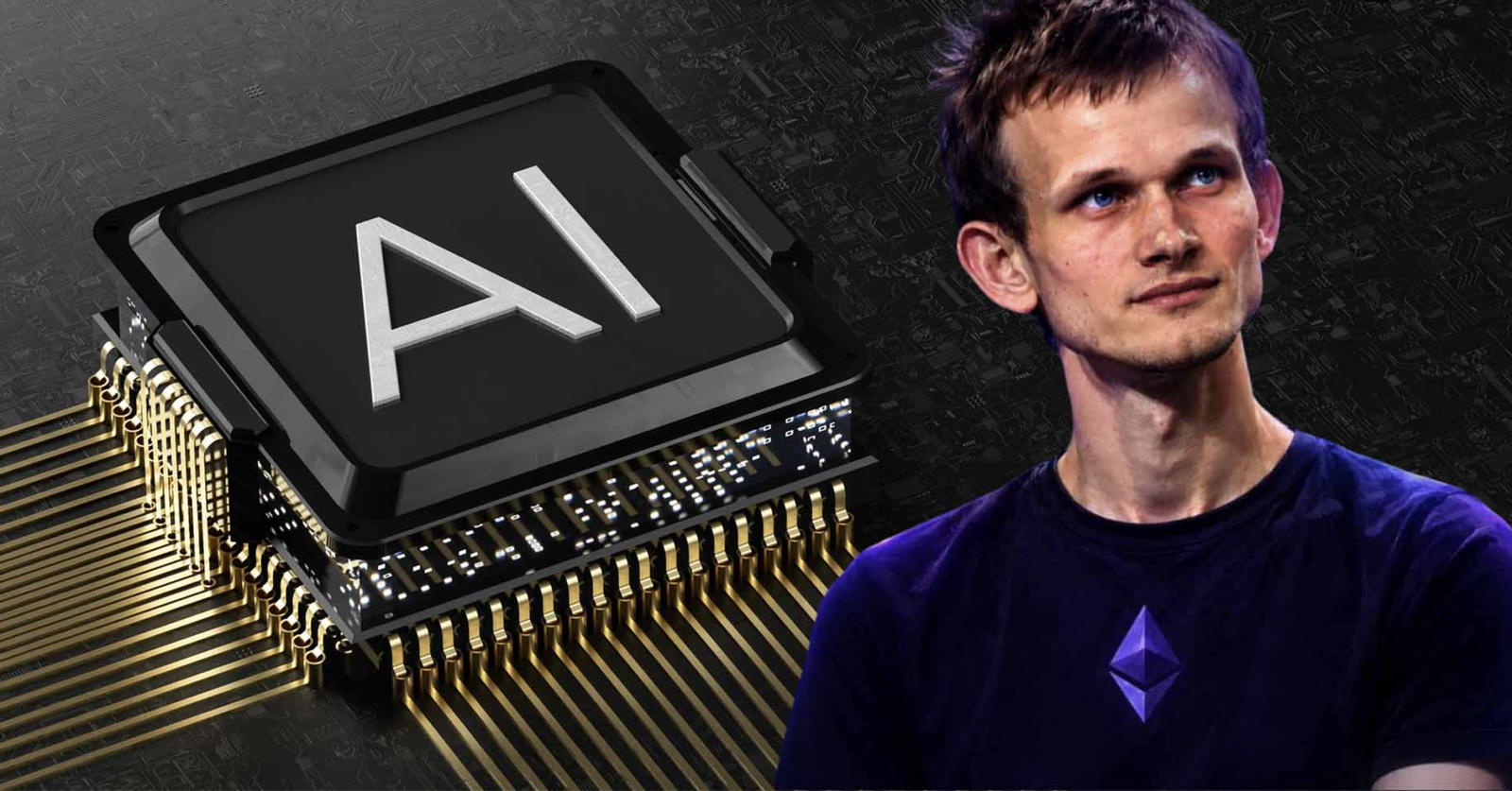
Ethereum co-founder Vitalik Buterin has warned that AI-driven advances in mathematics could weaken some of the cryptography designed to protect crypto from quantum computers.
In a post on X on Wednesday, Buterin said it was “plausible” that lattice-based cryptography could be weakened within the next two years. “There is a good chance that the concrete security of lattices will take serious hits from the next two years of AI math,” he wrote.
Why lattices matter
Lattice-based schemes underpin several of the post-quantum standards that are meant to replace the elliptic curve keys used by Bitcoin and Ethereum today. If AI can wear them down, the problem goes beyond today’s keys to the planned replacements.
Buterin framed it in terms of pace. If AI brings “50 years of math in two years,” he wrote, that maths may plausibly improve the ability to break lattices. He said the industry should take the risk seriously and keep its exposure to both quantum-vulnerable and AI-vulnerable cryptography as low as possible.
He favours hash-based cryptography as Ethereum’s route to quantum resistance, while accepting that AI-driven maths could, in theory, threaten hashes as well.
A follow-on to Drake
The post followed a warning the same day from Ethereum Foundation researcher Justin Drake, who said that AI could break ECDSA, the signature scheme behind Bitcoin and Ethereum wallets, before quantum computers do. Drake urged a calm migration to fresh addresses, which he called “bunker mode.”
Buterin’s advice is milder. “I don’t recommend anyone scramble to move their funds to new wallets today,” he wrote. Funds held in addresses that have never sent a transaction already have unexposed public keys, which keeps the risk lower.
The sceptics
Not everyone reads it as urgent. Ananda Banerjee, founder of Charlie Quant Lab, said the two-year scenario should not be treated as a deadline, and noted that nothing in the post shows these systems have been broken.
Isabel Foxen Duke, head of the Mara Foundation, a Bitcoin quantum-proofing project, said the concern is real because it reaches schemes previously considered quantum-secure, and argued for more conservative choices in post-quantum design.